Baroxon Global | Boom Barrier & Parking Systems

What Is a Smart Parking Access Control System?
Release time:
2026-11-05
A smart parking access control system is a combination of hardware and software that identifies vehicles, checks whether they are authorised to enter or leave, controls the entrance barrier and records access activity. Depending on the site, it may use Automatic Number Plate Recognition (ANPR), RFID cards or tags, QR codes, intercoms, payment terminals, vehicle detectors and management software.
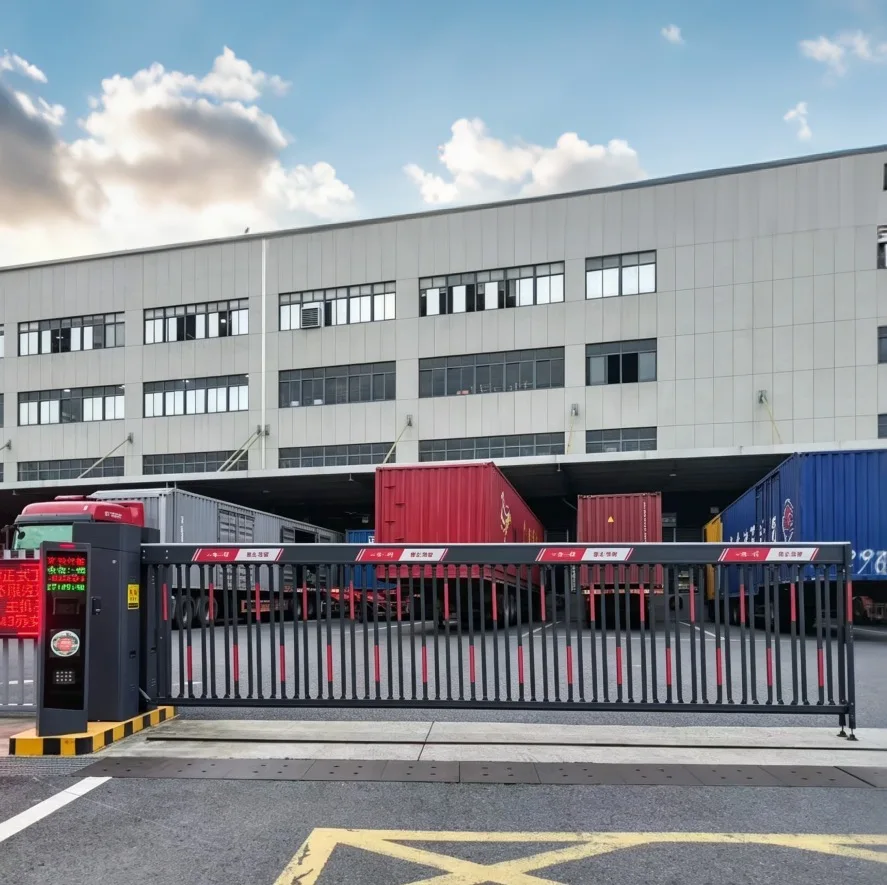
In a conventional car park, a driver may collect a ticket, press an intercom button or wait for an attendant to open the gate. A smart system can automate many of these steps, reduce manual checks and give operators a clearer record of vehicle movements. The exact functions depend on the equipment, software and site rules selected for the project.
How does a smart parking access control system work?
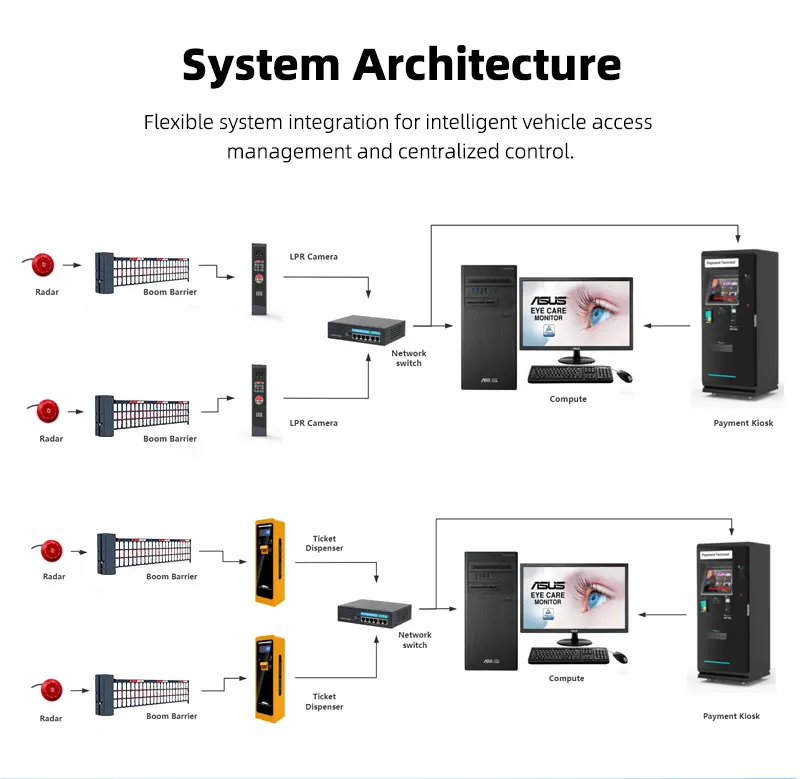
Most systems follow a straightforward sequence: detect an approaching vehicle, identify it or receive an access request, validate permission, open the barrier when the rules are satisfied, detect the vehicle passing safely, and log the event. At exit, the system can apply the same checks or confirm that a parking fee has been paid.
1. Vehicle detection
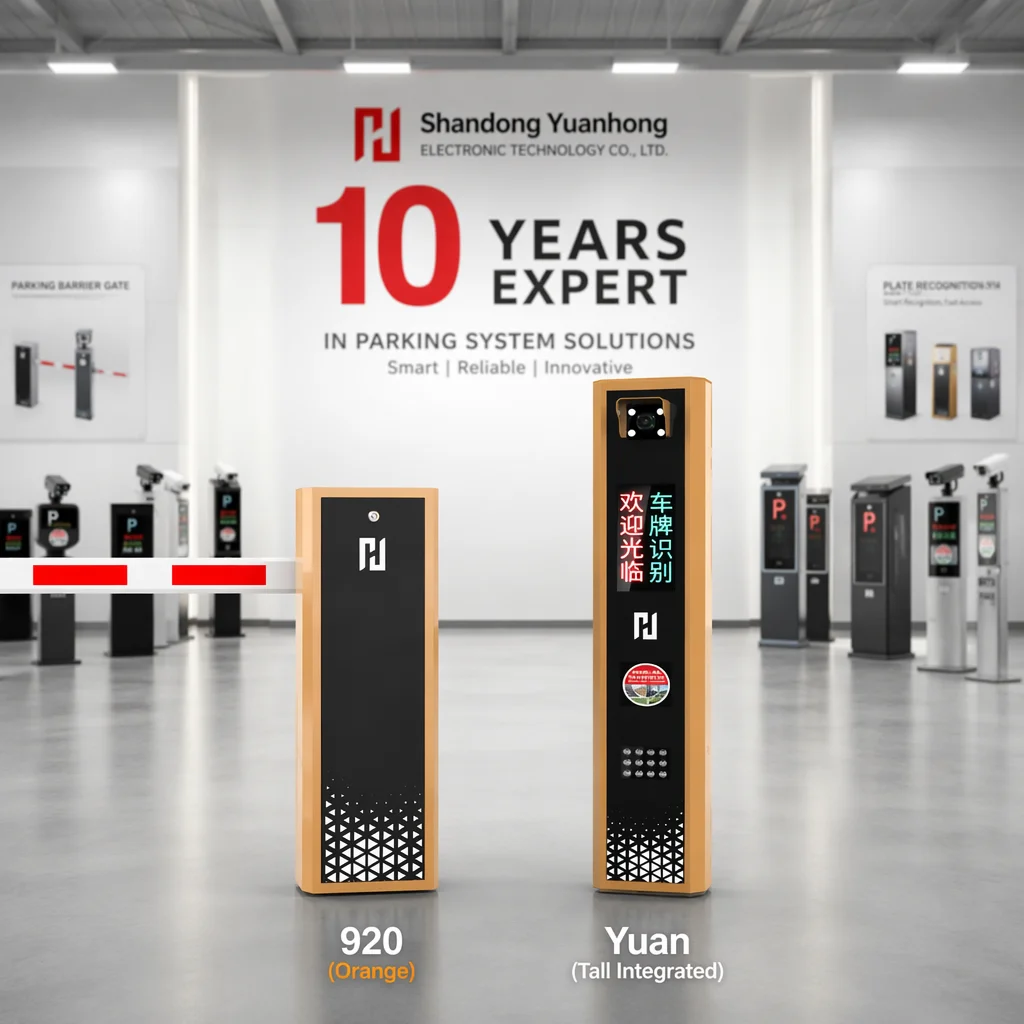
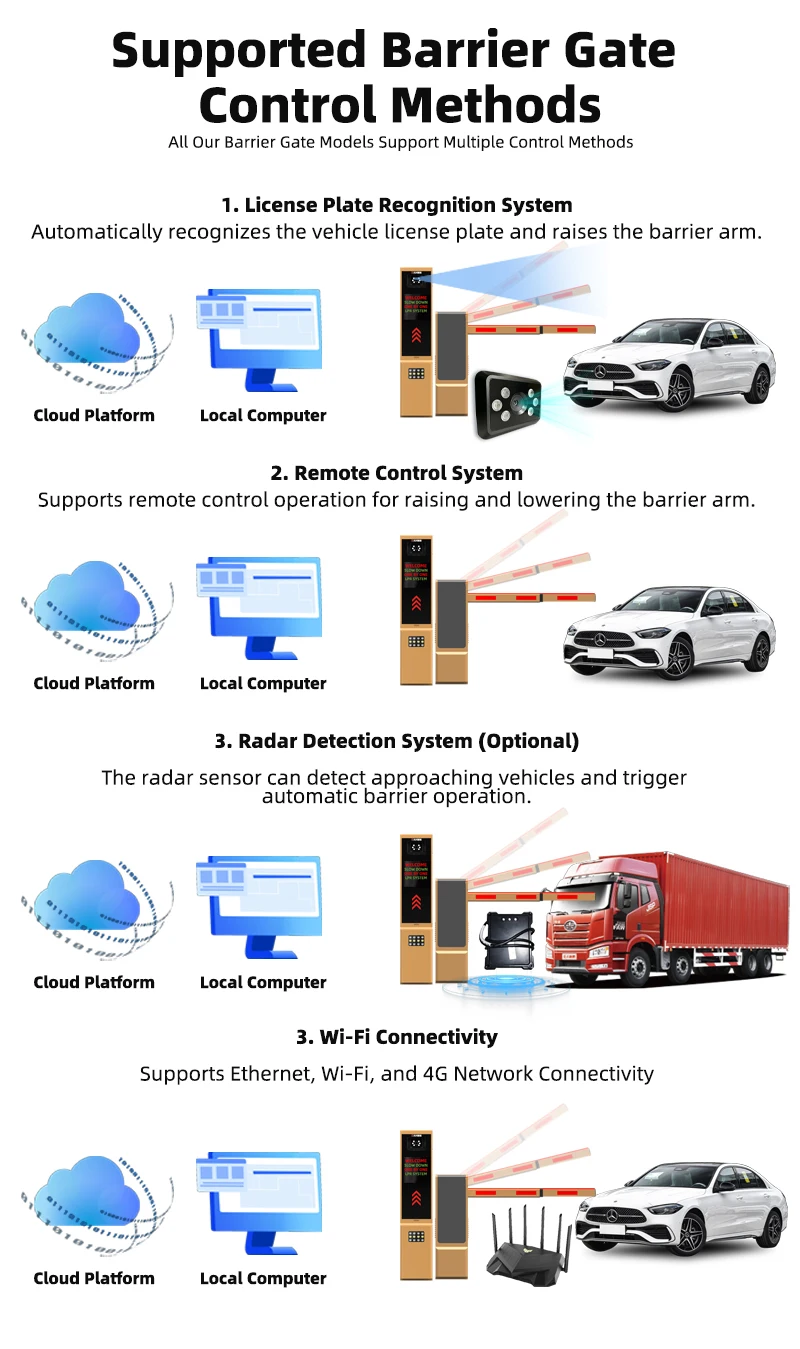
A vehicle detector tells the controller that a vehicle is approaching or occupying the controlled lane. Depending on the layout, detection may use a ground loop, radar sensor or another compatible detector. Correct positioning helps reduce missed detections and supports safer barrier operation.
2. Vehicle identification and authorisation
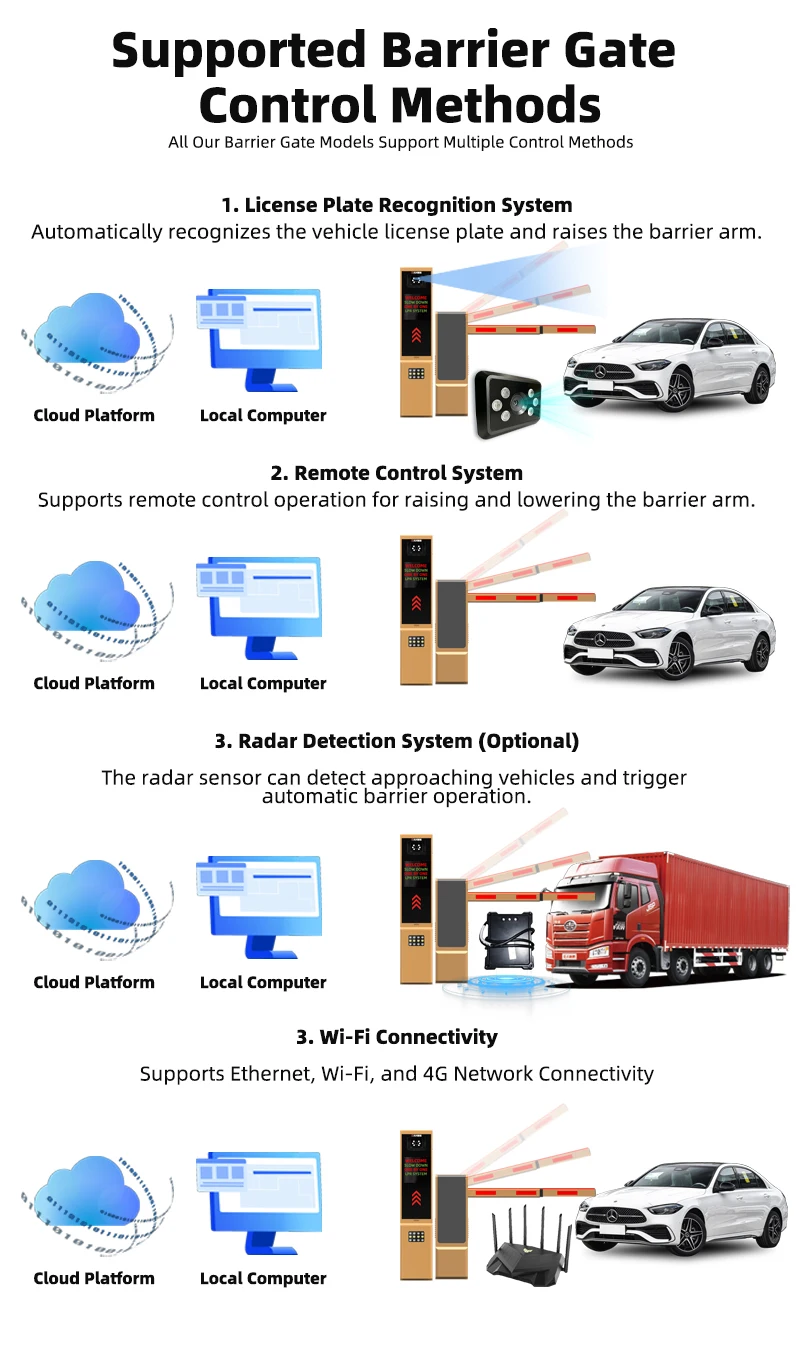
The system checks whether the vehicle or driver has permission to use the car park. ANPR cameras read the registration number and compare it with an authorised list or a configured parking rule. RFID readers can identify registered tags, while QR codes, access cards, intercoms or reception approval can support visitors and occasional users.
3. Barrier control
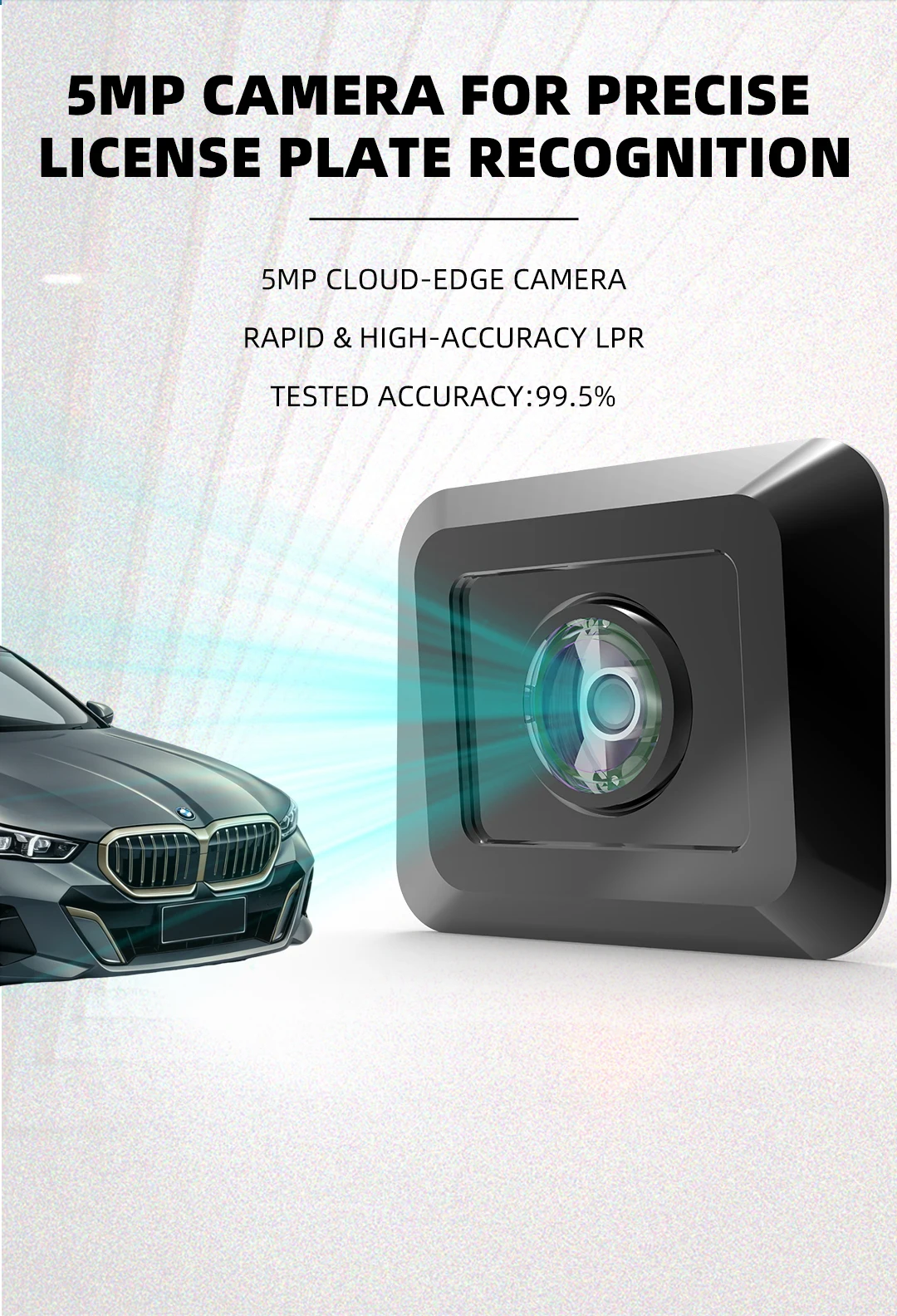
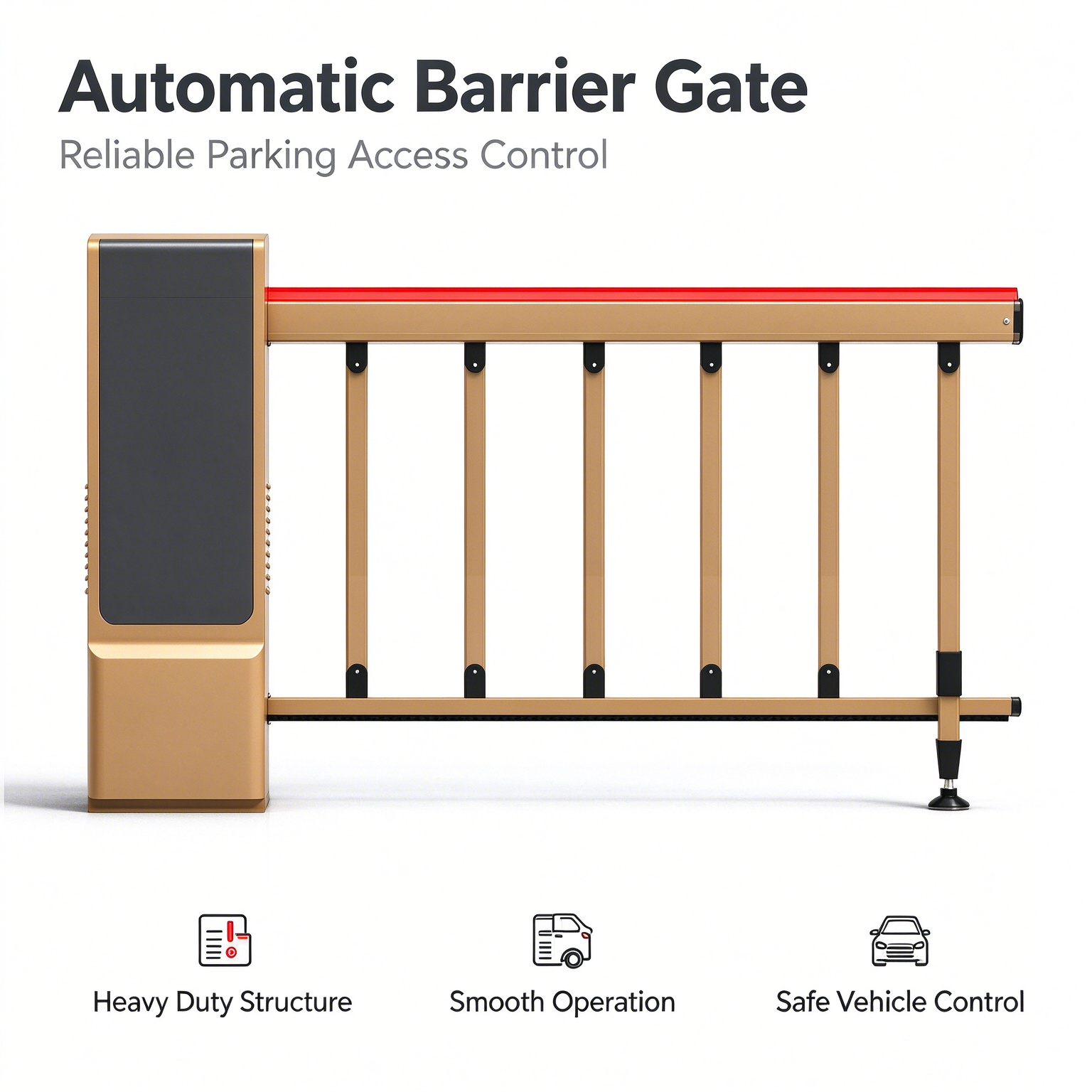
Once access is approved, the controller sends a command to the automatic boom barrier. Barrier selection should consider lane width, arm length, traffic volume, opening speed, duty cycle, site exposure and the type of vehicles using the entrance. Product ranges include automatic boom barriers, high-speed barrier gates and industrial vehicle barriers; the appropriate model should be confirmed against the project specification.
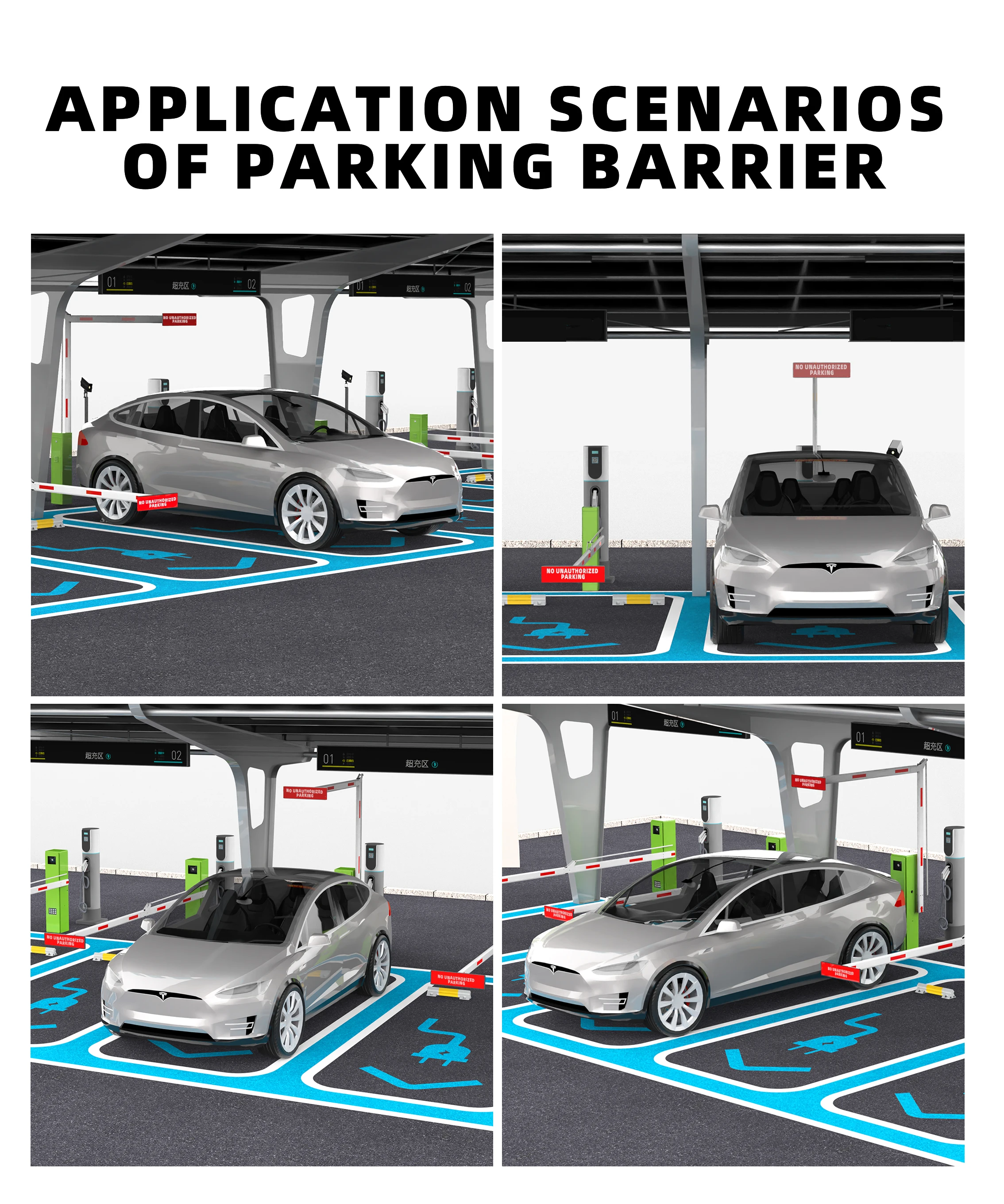
4. Safe passage and event logging
Vehicle detection and safety devices help the system respond appropriately while a vehicle passes beneath the arm. Depending on the design, the controller may use a loop detector, radar or other safety input to prevent the arm from closing onto a vehicle. The system can also record events such as successful entry, denied access, alarms and manual overrides.
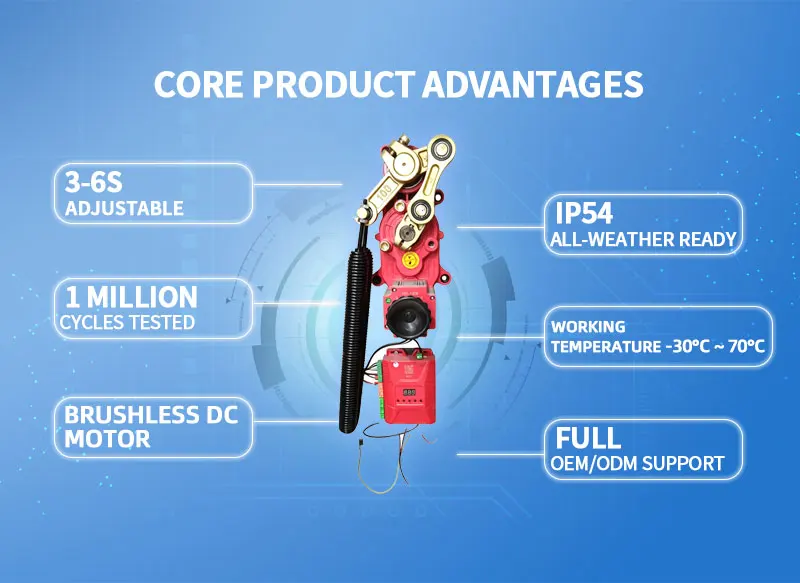
Main components of a smart parking access control system
A smart car park is not just a barrier arm. It is a coordinated installation in which each component has a specific role. The final configuration should be based on the entry process, site risks, traffic demand and the systems already installed.
| Component | Main function |
|---|---|
| Automatic boom barrier | Physically controls vehicle entry and exit. |
| ANPR/LPR camera | Reads vehicle registration plates for authorised access or parking management. |
| RFID reader and tags | Provides contactless identification for registered vehicles. |
| Vehicle detector / radar | Detects vehicle presence and supports safe barrier operation. |
| Controller and access software | Applies access rules, connects devices and records events. |
| Payment terminal or platform | Supports paid parking where required. |
| Intercom or visitor workflow | Lets visitors request access or obtain approval. |
| Network and power equipment | Connects the devices and supplies reliable power. |
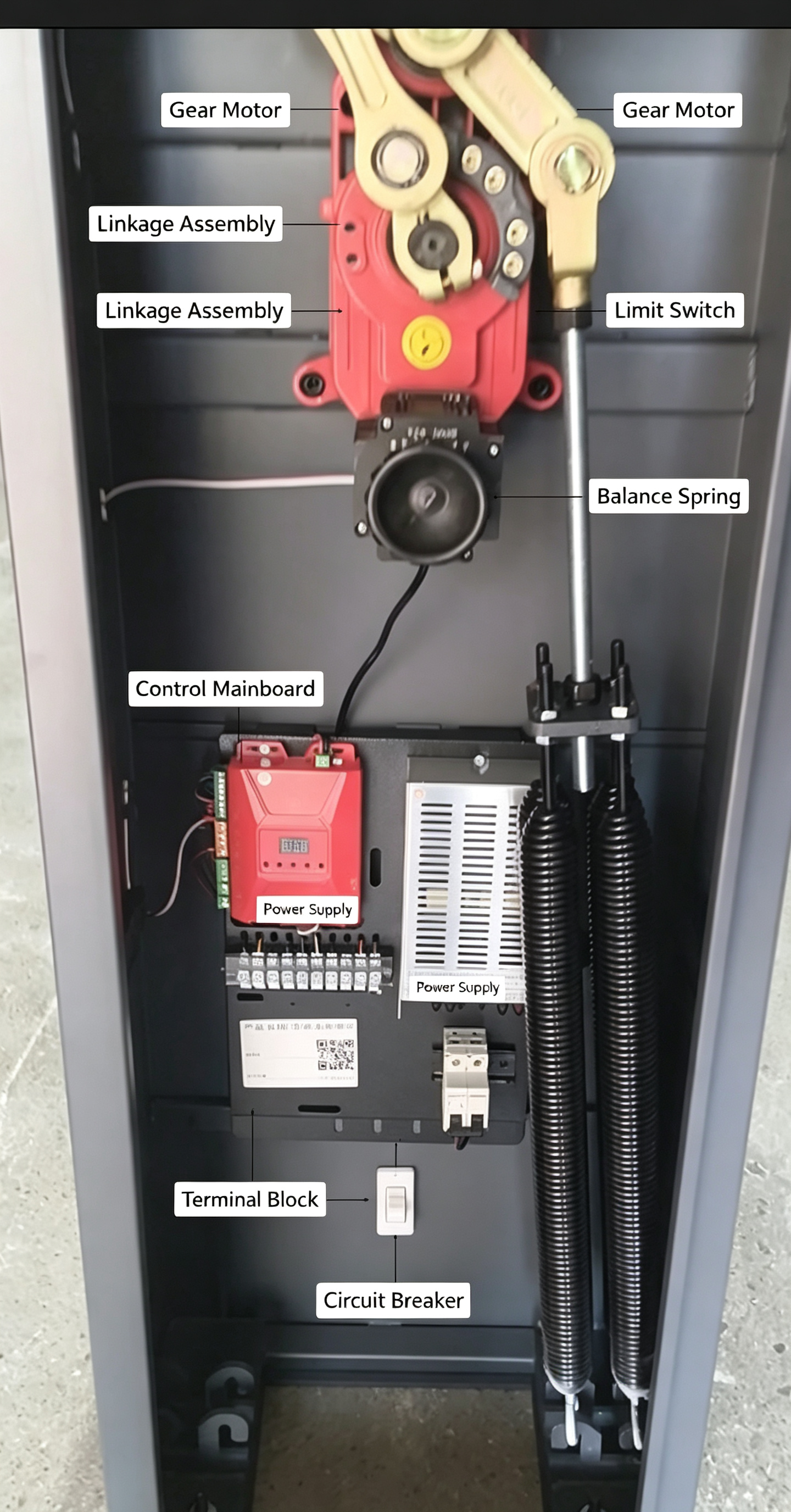
Common identification methods: ANPR, RFID, QR codes and intercoms
ANPR / LPR number plate recognition
ANPR is useful where authorised vehicles should enter without stopping to present a card. A camera captures the registration plate and the system checks it against the configured database or access rules. Performance depends on camera placement, lighting, plate condition, vehicle speed, weather and the quality of the integration. Operators should define a manual exception process for unreadable plates and unregistered visitors.
RFID access
RFID is often suitable for staff car parks, residential developments and fleet entrances where users can be issued a tag or card. It provides a familiar contactless workflow, but operators need a process for lost tags, leavers, contractors and temporary permissions.
QR codes, tickets and payment
QR codes and ticketing can support visitors or short-stay parking, while payment integration can link a paid session to an exit authorisation. Before choosing a workflow, clarify whether payment is taken at entry, at a pay station, online or before exit, and how the system handles failed payments or disputed transactions.
Intercom and staff-assisted access
An intercom remains useful for deliveries, contractors, emergency access and visitors who are not in the database. It should be supported by a clear authorisation procedure so that staff can verify the request and record exceptions consistently.
Benefits for car park operators
A well-designed smart parking access control system can reduce routine manual checks, improve the consistency of access decisions and create a more useful audit trail. ANPR or RFID may speed up entry for authorised users, while event records can help investigate complaints, access disputes and equipment faults. Integrating barriers with existing access-control or visitor-management software may also reduce duplicated administration.
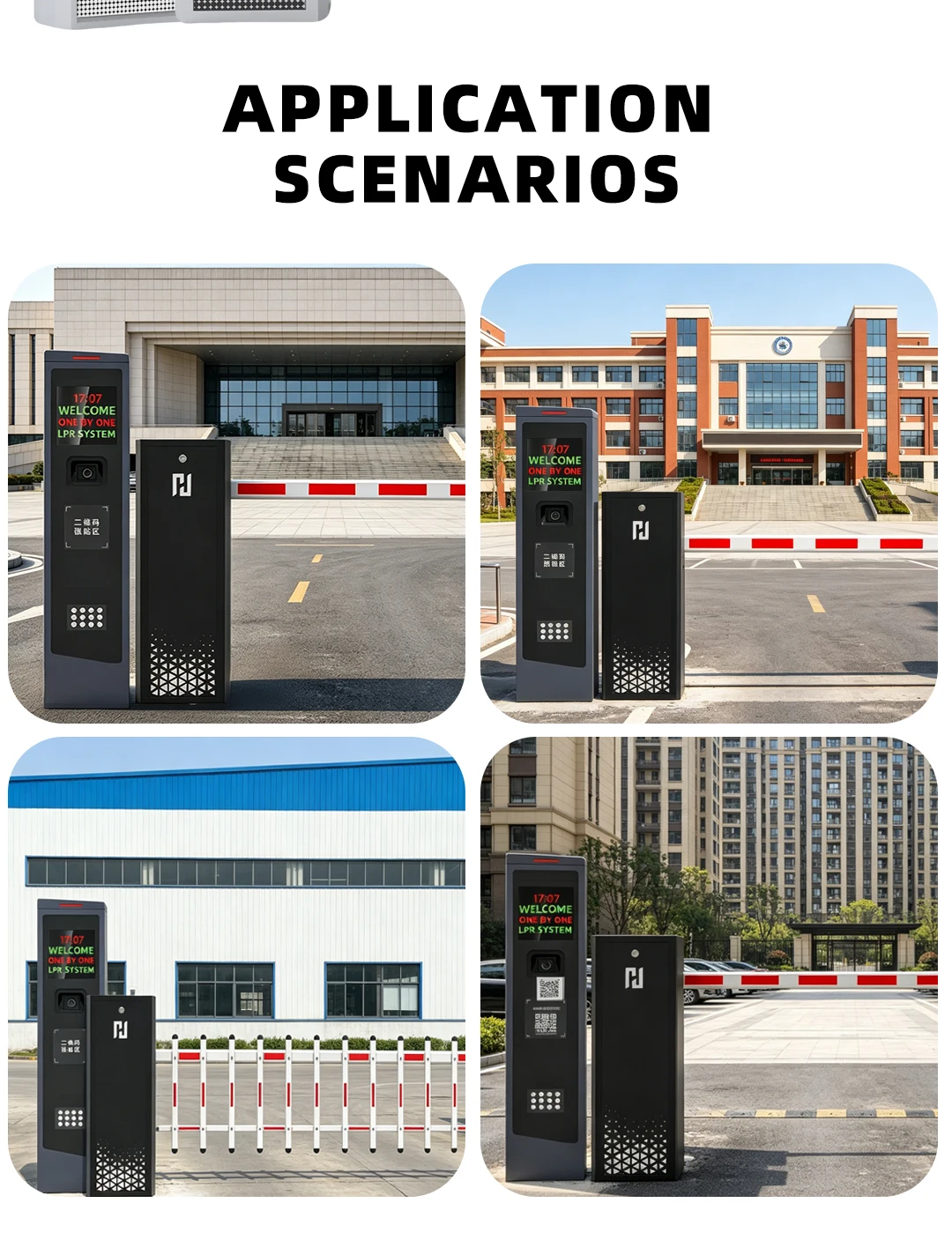
For operators, the value is not simply that the gate opens automatically. The real objective is to create a predictable process for residents, employees, visitors and contractors while keeping exceptions, safety and maintenance under control. No single configuration is right for every site, so the system should be specified around actual traffic patterns and operating policies.
Where are smart parking access control systems used?
- Residential developments: manage resident permits, visitor entry and private parking.
- Office buildings and business parks: connect staff access, visitor registration and vehicle logs.
- Retail and leisure car parks: support customer access rules and paid parking workflows.
- Hospitals, schools and public facilities: separate authorised vehicles from general traffic and manage designated access.
- Industrial sites and logistics parks: control staff vehicles, deliveries and fleet movements at higher-traffic entrances.
How to choose the right system for your site
Start with a site survey rather than selecting equipment by headline speed alone. Record the number of lanes, peak-hour vehicle flow, lane width, vehicle types, expected daily cycles, visitor process, payment requirements and the consequences of a network or power failure. Confirm whether the project needs ANPR, RFID, QR access, intercom approval or a combination.
Next, check compatibility. Ask the supplier to confirm the available interfaces, such as relay, Wiegand, RS485 or TCP/IP, and verify how the barrier controller will exchange authorisation signals with the access software. Request wiring diagrams, installation drawings, commissioning steps and the documentation required by the project. Do not assume that every camera, reader or third-party platform will integrate without configuration or additional equipment.
Finally, evaluate whole-life operation: warranty scope, spare parts, maintenance access, remote diagnostics, software support, training and the response process for faults. For outdoor installations, confirm the appropriate weather protection, corrosion resistance and foundation requirements for the actual location, especially at exposed or coastal sites.
Safety, privacy and operational considerations
A smart access system must be designed around safe vehicle movement, not only security. Barrier arms, detectors, warning indicators and access rules should be installed and commissioned by competent personnel in line with the equipment instructions and applicable requirements. Keep the lane markings visible, prevent pedestrians from being channelled into vehicle paths, and provide a documented method for emergency access and manual release where the equipment supports it.
Where ANPR is used, registration plates and associated event logs may constitute personal data depending on how the system is operated. Operators should establish a lawful purpose, restrict access to records, set an appropriate retention period, display clear privacy information where required and review the system against applicable data protection obligations. This article is general guidance, not legal advice.
Maintenance and troubleshooting
Routine inspection helps keep the system dependable. Operators should follow the manufacturer's maintenance instructions and arrange competent servicing at the interval appropriate to traffic volume and operating conditions. Checks may include the boom arm and fixings, cabinet condition, detector response, warning lights, manual release, controller logs and the operation of connected readers or cameras.
| Symptom | Possible checks |
|---|---|
| Barrier does not open | Check authorisation status, controller power, access signal and fault indicators. |
| ANPR fails to recognise a plate | Check camera view, lighting, plate visibility, network connection and recognition settings. |
| RFID access is inconsistent | Check tag registration, reader position, interference and access permissions. |
| Barrier starts closing too early | Stop use if unsafe; have a competent technician check detector placement and safety inputs. |
| System records are missing | Check network connectivity, software configuration, time settings and log storage. |
Never bypass a safety device to keep the lane operating. If a barrier behaves unpredictably, isolate the equipment according to the site procedure, protect the lane from vehicle use and contact a qualified service technician. Record the fault, conditions, error messages and any recent changes to help diagnosis.
Frequently asked questions
Is a smart parking access control system the same as an automatic boom barrier?
No. An automatic boom barrier is one component that physically controls a vehicle lane. A smart parking access control system can include the barrier, vehicle identification, access rules, detectors, payment, visitor management and reporting software.
Does every smart car park need ANPR?
No. ANPR is useful when number-plate recognition fits the access policy, but some sites may prefer RFID, QR codes, cards, intercom approval or a mixed approach. Choose the method based on users, traffic flow, privacy considerations and operating costs.
Can a smart parking system integrate with existing access control?
Often, yes, provided that the devices and software support compatible interfaces and the integration is properly configured. Confirm the interface, signal logic, network requirements, licensing and commissioning responsibilities with the suppliers before ordering.
What should operators consider for outdoor installations?
Consider rainfall, wind exposure, temperature range, corrosion risk, drainage, foundations, power supply, network coverage and maintenance access. Confirm the product's actual environmental rating and the site-specific installation requirements with the supplier.
How much does a smart parking access control system cost?
There is no single price because the total depends on the number of lanes, barrier model, identification method, payment functions, software, civil works, networking, installation and support. Request an itemised quotation based on a site survey and a written scope of supply.
Conclusion
A smart parking access control system connects vehicle identification, access permissions, automatic barriers, safety detection and management records into one coordinated process. For car park operators, the best solution is the one that fits the site's traffic patterns, user groups, safety requirements, privacy obligations and maintenance capability — not simply the one with the most features.
To compare equipment options, review our automatic boom barrier gate selection guide or contact our team to confirm the configuration for your site.
Latest News
Baroxon Global | Boom Barrier & Parking Systems
Advanced Security Access Control and Intelligent Parking Solutions.
Company Strength
Adequate Inventory
Fast Shipping
Our Products
CONTACT US
Address: No. 2 Wanshou Road, International Innovation Industrial Park, Jinan, Shandong, China







© COPYRIGHT 2025 Baroxon Global | Boom Barrier & Parking Systems

Contact Us
Our passion is to bring your ideas to life. Work with our design team to create a one-of-a-kind custom finish or cladding system to create a truly unique space. Together we can make your story stand out. If you need something to request a sample, request pricing, or request a demo, please fill out the contact form below. Explain your request in as much detail as you can and a representative will contact you within 1 business day.